Transgender representation on television has plummeted by nearly 80 percent, and not a single transgender character counted during the 2025–2026 season is slated to return next year, according to GLAAD’s latest “Where We Are on TV” report.
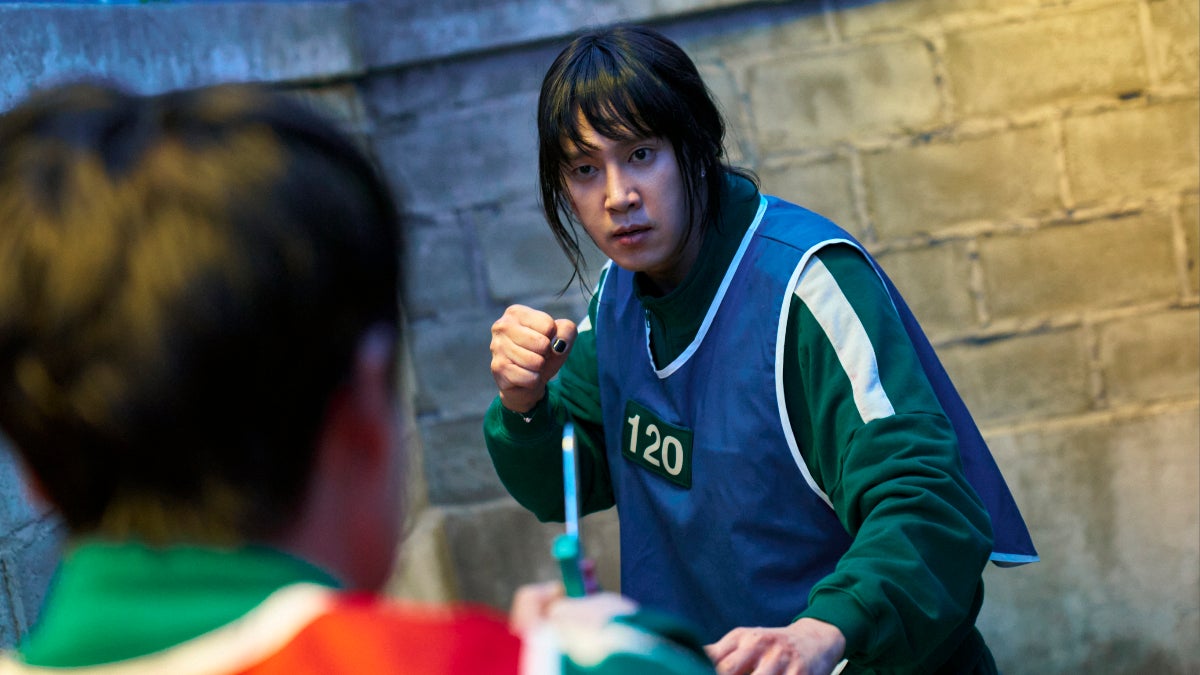
The findings paint a stark picture of a rapidly shrinking presence for queer and transgender people on screen. Out of 369 LGBTQ+ characters tracked across television during the 2025–2026 season, only seven were transgender. Three of those characters appeared on canceled or concluding series—The Family Law, Community Squad, and Squid Game—while the remaining four were featured in Netflix limited series (The Dead Girls, Monster: The Ed Gein Story, Unspeakable Sins, and Wayward). Because those shows have either ended or operate on closed-ended formats, the upcoming broadcast and streaming slate currently faces a near-total void of returning trans characters.
The drop is part of a broader contraction in queer visibility. Overall LGBTQ+ representation fell 25 percent from the 489 characters counted the previous season. Racial diversity among queer characters also hit an eight-year low, with LGBTQ+ people of color accounting for just 44 percent of all queer characters, down from 51 percent the year prior and falling short of GLAAD’s benchmark of at least half.
The Business Case vs. Political Caution
The pullback comes despite measurable commercial appetite for queer storytelling, particularly among younger audiences. GLAAD’s report highlights the breakout success of titles like Netflix’s The Hunting Wives, which doubled its viewership in its second week to top streaming charts, and Crave and HBO Max’s Heated Rivalry, which became HBO Max’s most-watched acquired scripted series ever, peaking at 52 times average audience demand.
GLAAD President and CEO Sarah Kate Ellis characterized the reduction of LGBTQ+ storylines amid rising demand as a “bad business decision.” Raina Deerwater, GLAAD’s Associate Director of Entertainment Research and Analysis, pointed out that Gen Z viewers overwhelmingly seek out diverse stories and drive organic word-of-mouth marketing—being 61 percent more likely than the average American to discuss television on social media and 55 percent more likely to talk about programming with friends.
“It’s so funny that ‘Heated Rivalry’ came out — huge hit — and everyone’s like, ‘I know what we need: more hockey,’” Deerwater said, mocking industry executives who miss the appeal of queer narratives. “I’m going to go out on a limb and say maybe the hockey wasn’t the big thing why people liked the show. The more diverse stories you can tell, the more people will watch. That should sort of be a line A to B, but unfortunately, that is not the case in what we’re seeing.”
Deerwater suggested that the steep downturn in trans characters was likely driven by intense anti-trans rhetoric from conservative politicians in recent election cycles, though she expressed hope that recent Democratic midterm gains signaled voter fatigue with those attacks. She urged cisgender and straight executives in positions of power to use their influence to back trans creators.
Skepticism Over Political Shifts
While advocacy leaders see recent election results as a potential turning point, many viewers and observers remain skeptical that political shifts will quickly translate into better media representation. Some argue that targeted political messaging—particularly around transgender participation in sports—has left a lasting impression on the broader public across party lines.
“On one hand, I wonder how the blue wave will affect trans inclusion in media in the future but on the other hand, I do think the trans people in sports issue has unfortunately soured their perception for a significant amount of the general public, regardless of political party,” one viewer observed.
Others noted that voters in several states backed Democratic candidates while simultaneously approving ballot measures restricting transgender rights, raising doubts about how much political shelter Hollywood executives feel they have. One commenter shared how those talking points surface in everyday interactions: “When i tell people my wife is trans, they are supportive but they do tend to say something about it being ‘unfair in sports, right’? As if i am somehow the arbiter of that.”
For many watching the cultural landscape, the disproportionate focus on a tiny number of transgender athletes has had real consequences for public visibility. “I could live a thousand lifetimes and never be able to understand how this worked on so many people,” another person remarked. “The government’s focus for the last two years has been harassing like 10 trans collegiate athletes, passing laws related to their existence, and just in general pretending it’s an issue.”
Casting Debates and Typecasting in Hollywood
Beyond political headwinds, the disappearance of trans characters has reignited long-standing debates over how Hollywood writes and casts marginalized roles. Some audience members argue that studios struggle to integrate queer, neurodivergent, or minority characters naturally without reducing them to single-issue traits.
“Just learn how to write a script and cast a non-stereotypical actor later. Don't write the script for the actor with a certain trait in mind all the time, just let them exist in a role like every other person with their trait does in society, all the time,” one viewer wrote.
At the same time, disagreements persist over casting practices. One perspective suggests that studios feel boxed in by expectations around authentic casting and a perceived shortage of bankable trans stars: “I feel like they’re also afraid to have cis actors play trans characters. Elliot can’t play every single trans person - and he shouldn’t have to.”
That view drew sharp pushback from others who argued that studios simply refuse to take chances on lesser-known trans talent—or cast trans performers in roles that aren't explicitly centered on gender transition. “They are also afraid to have teans people play just regular roles. Not every part a trans actor gets needs to be "look at me im trans" but thats all they seem to get. Let them have othet roles ffs,” one response noted. Another viewer pointed out the double standard in studio risk-aversion: “there ARE tons of trans actors, they're just not big names, and studios aren't going to allow that, so their preferred option is just to not have trans characters at all.”
What Comes Next
Because annual television tallies only measure series that have already aired during a given season, newly announced or upcoming projects could still alter the landscape for the following year. Some fans pointed to upcoming returning series like The Last of Us—which features the trans character Lev—as a potential bright spot on the horizon, while others noted the grim irony that one of the few trans characters counted this past year appeared in a true-crime series about serial killer Ed Gein.
Ultimately, the data highlights a growing disconnect between entertainment executives and their audiences. Even as proven hits demonstrate that queer-centered stories can command massive viewership and cultural buzz, Hollywood appears hesitant to invest in transgender narratives—leaving an entire community nearly invisible on television just as younger viewers are clamoring for stories that reflect the real world.

